The Wilderness Is Not Abandonment
Quoting Deuteronomy to the Devil
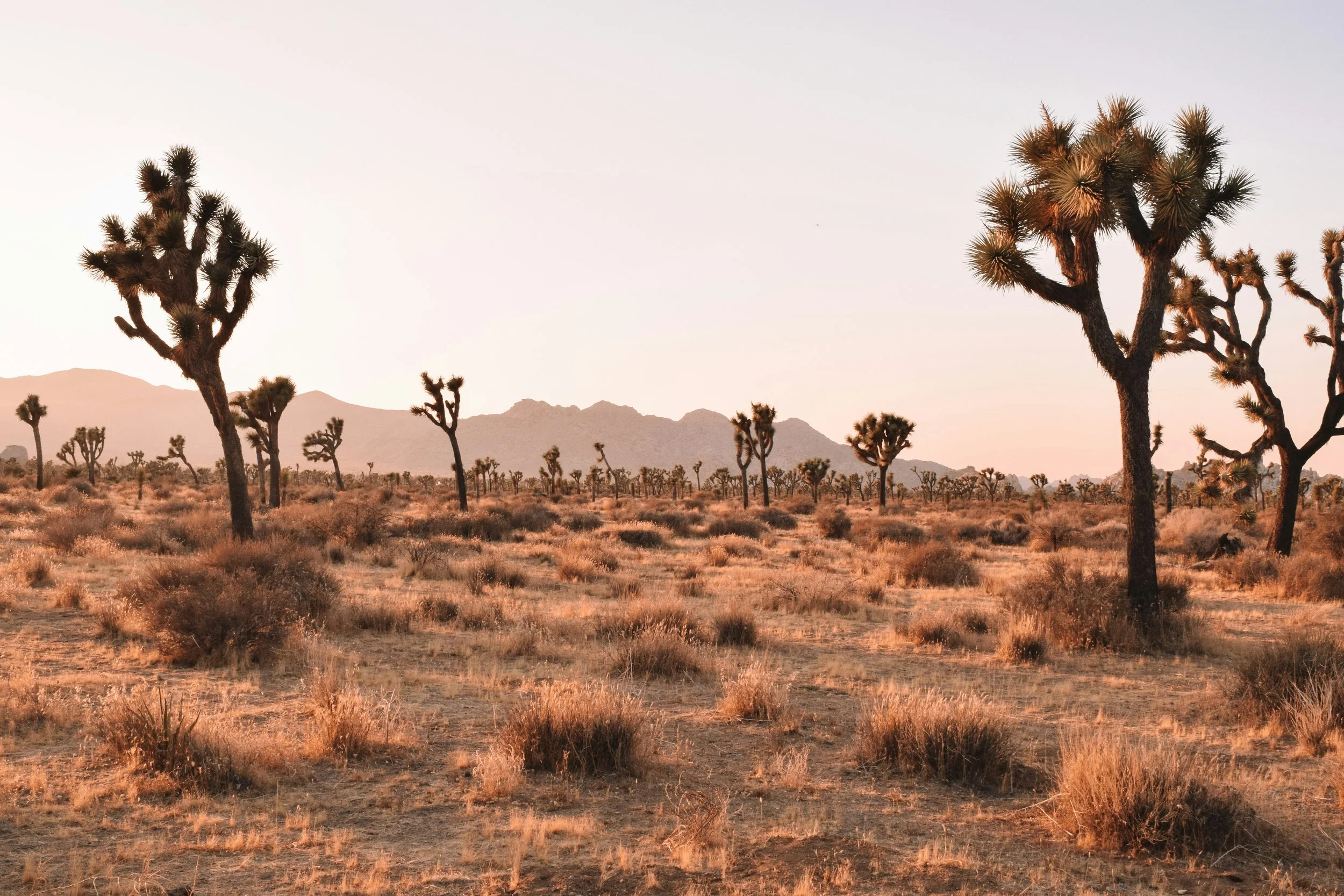
Photo by Nicole Herrero on Unsplash
The Feeling of the Wilderness
There is a particular feeling that comes with the wilderness seasons of life. It is hard to describe precisely, but most of us know it when we are in it. Lonely. Dry. Disorienting. The prayers that used to come easily grow quiet. The sense of God’s presence, once familiar, seems to have withdrawn. And in that silence, a voice—not God’s—begins to offer its interpretation of events.
You must have done something wrong.
You are not enough.
God has moved on.
We assume, almost instinctively, that suffering is evidence against us. That the wilderness means we have failed some test we didn’t know we were taking. That God’s silence is God’s verdict. I have felt this. I have sat with people carrying losses that go beyond my greatest fears, people asking the same desperate question: What did I do wrong? What did I miss?
But the Gospels tell a different story.
Into the Wilderness
The sequence in Matthew is striking in its speed. Jesus is baptized in the Jordan. The Spirit descends like a dove. The voice of the Father speaks: “This is my Son, whom I love.” And then—immediately—that same Spirit leads Jesus into the wilderness.
Not away from the wilderness.
Into it.
If the Spirit led Jesus here, then the wilderness is not abandonment. It is appointment. We make appointments for the important things—the things that matter, the things that form us. And the wilderness is God’s appointment with us, a moment chosen with intention and purpose.
Baptism is received grace. The wilderness is where grace is lived.
The Jordan was not the destination. It was the beginning. And the same is true for us. The grace we receive in our moments of clarity and closeness with God is not meant to be stored and protected. It is meant to be lived—in the dry places, in the silent seasons, in the wilderness where everything else falls away.
What Is Being Proven
Israel knew the wilderness. They spent forty years in it—long enough, someone once told me, for God to get the Egypt out of them. A generation learned, slowly and painfully, what it meant to depend on God for everything: daily bread, daily direction, daily provision. Only then were they ready for what came next.
Jesus enters that same story. Forty days in the desert. And notice this: the temptations do not come during the forty days. They come at the end. The wilderness was not the battle. It was the preparation for the battle.
When the tempter comes, he does not offer obvious evil. He offers reasonable shortcuts:
meet a real need without dependence on God
demand proof before trusting God
grasp a kingdom without the path of sacrifice
But Jesus refuses each one—not because the needs are not real, but because he trusts the word already spoken over him at the Jordan. He lives from that word rather than from what seems immediately reasonable.
There is a difference between demanding proof and asking for assurance. The man who cried out, “I believe; help my unbelief,” was not demanding proof—he was bringing his doubt to Jesus rather than away from him. Doubt directed toward God is faith in motion. But to demand proof is to say, Your word is not enough.
What is being proven in the wilderness?
That the Word of God is enough to sustain a life fully entrusted to him.
Why the Wilderness
So why the wilderness? Why can’t God form us somewhere more comfortable?
Because in the wilderness, the props fall away. The things we lean on without realizing it—our competence, our comfort, our sense of control—quietly disappear, one by one, until what remains is only what is truly sustaining us. The wilderness does not create dependence on God. It reveals whether it was there all along—the same dependence we see in Christ.
Growing pains hurt. But we want to grow. And if we are honest, the only alternative to growing is dying. There is no option where we stay safe and comfortable and somehow remain alive. The wilderness is not the cruel path. It may be the merciful one.
This Is Appointment
If you are in a wilderness season, hear this as plainly as I can: the silence is not a verdict. The dryness is not evidence of failure. The same Spirit that led Jesus into the wilderness has not abandoned you in yours.
This is not ambush. This is appointment.
The same Christ who stood hungry and alone in the Judean wilderness, who trusted the Father’s word when everything else had fallen away, who set his face toward Jerusalem knowing what waited there—that Christ stands with you in yours.
You may not have answers.
You may not have felt his presence in weeks.
You may be asking questions that have no easy resolution this side of eternity.
But you are not alone. And this is not the end.
I may not understand this now. But I hope and trust in God who is with me here.
Closing Meditation: Rich Mullins, “Quoting Deuteronomy”