Wounds That Heal Wounds
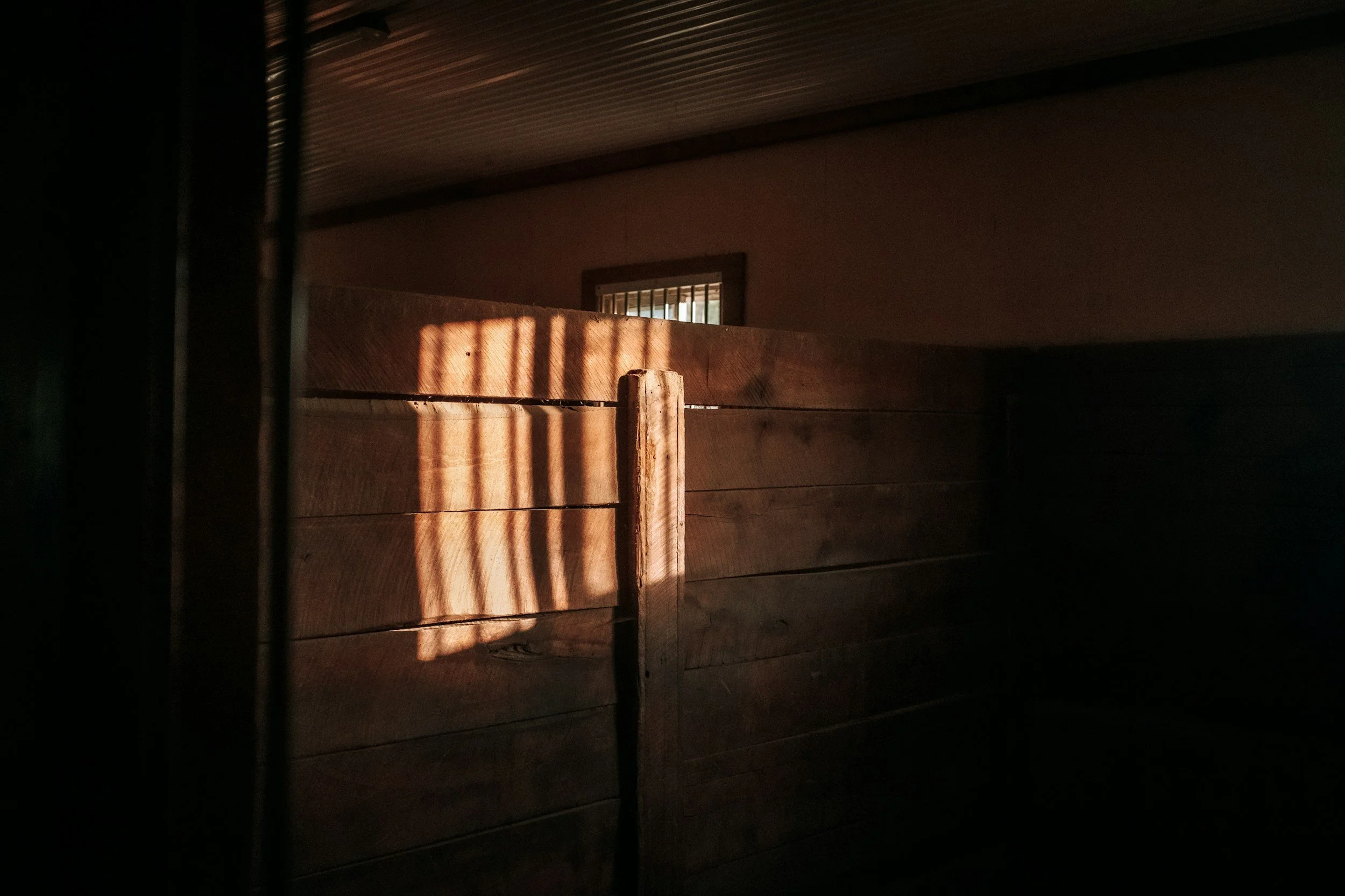
Light finds its way into locked rooms.
It is Sunday evening. The same Sunday Mary saw him in the garden.
The disciples are together in a room with the doors locked. John tells us why. They are afraid — of the authorities who crucified Jesus two days ago, of Mary's wild report from the tomb that morning, of what any of it might mean, of whatever comes next. Fear has put bolts on the door.
And then Jesus is there.
He does not knock. He does not open the door. He is simply among them, and the first word out of his mouth is the word they need most. Peace be with you. Then he shows them his hands and his side. The wounds. The places where the nails went in. The place where the spear went in. John tells us what happens next: the disciples were overjoyed when they saw the Lord.
Notice that. They were overjoyed when they saw. They needed to see. They needed the wounds.
Thomas is not in the room that night. We do not know why. Maybe business. Maybe grief had driven him somewhere alone. Maybe he was the only one brave enough — or reckless enough — to be out in the streets. John does not say. He only tells us Thomas was not there.
When the others tell him they have seen the Lord, Thomas says the line that has followed him for two thousand years. Unless I see the nail marks... I will not believe. History has been hard on him for it. We call him Doubting Thomas like it is his first name.
But look again at what John told us about the other ten. They were afraid behind a locked door. They believed when they saw the Lord. They believed when Jesus showed them his hands and his side. Thomas is not asking for more than they got. He is asking for the same thing they got. The ten had their encounter. Thomas wants his.
And here is what I cannot stop noticing: Thomas does not leave. A week passes — seven days of being the one who did not see — and on the eighth day, he is still in the room. Whatever his doubt was, it was not the kind that walks away. He stayed close enough to be found.
And Jesus comes back for him.
The whole scene — the second appearance, the locked door, the greeting, the hands and the side — all of it happens so that Thomas can have his encounter. The ten had theirs. Thomas gets his. Jesus does not scold him or call him out. He offers him, in his own words, exactly what Thomas had asked for. Put your finger here. Reach out your hand.
John never tells us Thomas actually touches the wounds. He just speaks — and what he speaks is the highest thing anyone says about Jesus anywhere in the Gospel of John. My Lord and my God. The so-called doubter delivers the confession the whole Gospel has been building toward.
There is a question this text has put to the church for a long time, and I cannot get past it.
He is the risen Christ. His body is glorified. Death has been defeated. Why are the wounds still there?
He could have healed them. The same power that raised him from the dead could have closed the nail marks and smoothed the spear wound and left no trace of Friday on his Sunday body. But he did not. He came in bearing the wounds. He led with his hands and his side. The risen Christ, at the moment of his greatest glory, kept his scars.
Augustine preached on this very passage. He said Christ rose with his wounds healed but his scars kept — and that this was for the disciples' sake, because by those scars the wounds of their hearts would be healed. What wounds? Augustine asked. And Augustine answered his own question: the wounds of unbelief.
The scars were kept so the disciples could bear witness that Jesus had not only risen but had defeated sin and death. The scars are a reminder of the sins no longer there. Every time the risen Christ shows his hands to a doubting disciple, he is saying the same thing: Look. Look at what is no longer held against you. Look at what has been forgiven.
Wounds that heal wounds.
If any of this feels familiar — if the faith of the people around you seems to come easier than yours, if you have been told to believe and are still waiting to see, if your doubt feels like failure and you are not sure you belong in the room anymore — Thomas's week is worth sitting with. Because the thing Thomas did right was not his words. It was that he stayed. He stayed close enough to the other disciples that when Jesus came back, he was in the room.
The risen Christ is not scandalized by the wounds of our unbelief. He comes through locked doors. He speaks peace. He shows his hands. And he offers himself — not with a rebuke, but with an invitation.
The scars are still there. And the scars are the gospel. They are the reminder of the sins no longer held against us. His, and yours, and mine.
So if you are still in the room this morning, you are close enough to be found.